Why a Satin Finish Wrap Could Be the Smartest Choice for Your Car
When I first started looking into auto customization for my car in Singapore, I assumed glossy was the only real option. Every showroom and online gallery seemed to push high-gloss finishes, the kind that reflect the sun like a mirror. But after spending time around wrap installation shops and talking to owners who had lived with different finishes for years, I started to notice something. The cars that still looked great two or three years down the road were rarely the glossiest ones. More often, they were the ones with a satin finish wrap.
This is not a knock on glossy wraps. They have their place. But the satin finish wrap sits in a sweet spot that most people overlook. It gives you a refined, modern look without the constant maintenance that gloss demands. And in a climate like Singapore's, where humidity and UV exposure test every material, that difference matters.
What Makes a Satin Finish Wrap Different
A vinyl wrap's surface texture comes from the combination of the film itself and the laminate applied on top. Glossy wraps use a clear laminate that is highly reflective, which creates that wet, deep look. Matte wraps use a diffusing laminate that scatters light, giving a flat, almost chalky appearance. A satin finish wrap sits between them. It reflects some light but not aggressively. It has a soft sheen, like the surface of a well-worn leather jacket or a freshly waxed piece of furniture.
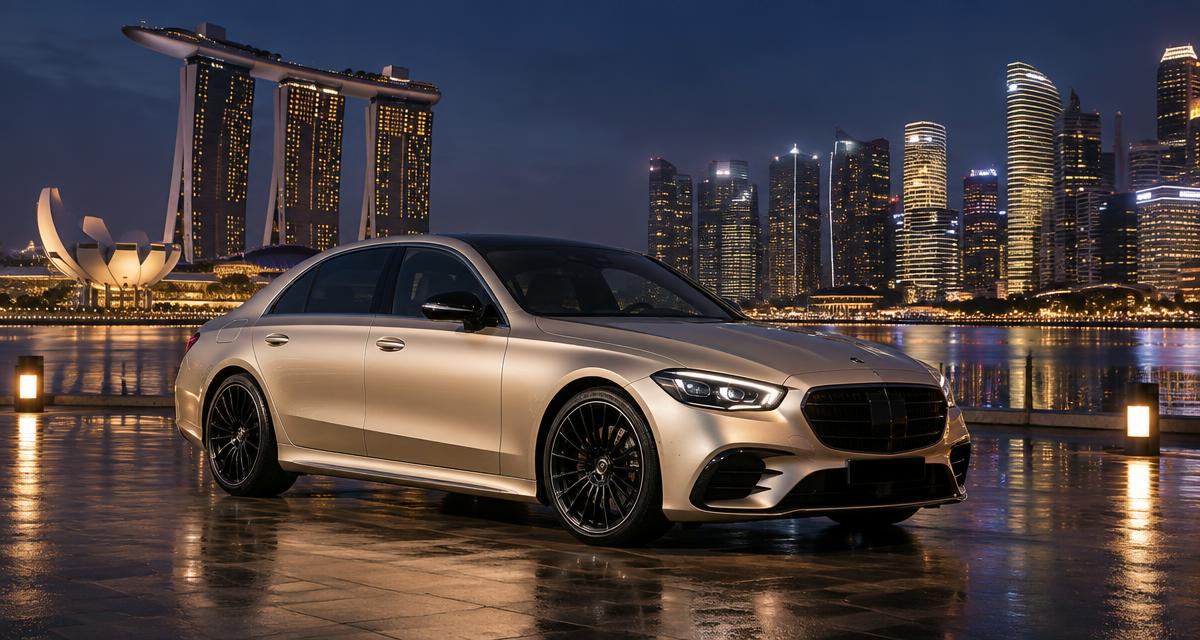
The benefit is subtlety. A satin finish wrap does not scream for attention. It lets the lines of the car speak. On a vehicle wrap, especially one with complex curves or sharp body lines, a satin finish can make the design look more cohesive. It reduces glare, so the color reads consistently in bright sun and under overcast skies. This is something I noticed while helping a friend choose a custom wrap for his hatchback. He went back and forth between a glossy wrap and a satin one. In the end, the satin version made the metallic finish of the vinyl pop without washing out under direct sunlight.
Durability and Practicality in Real-World Use
One of the first questions people ask at a car wrap studio is about longevity. And the honest answer is that it depends on the materials and the environment. But here is what I have seen across dozens of wraps in Singapore: a satin finish wrap with a quality laminate tends to hide wear better than a glossy one.
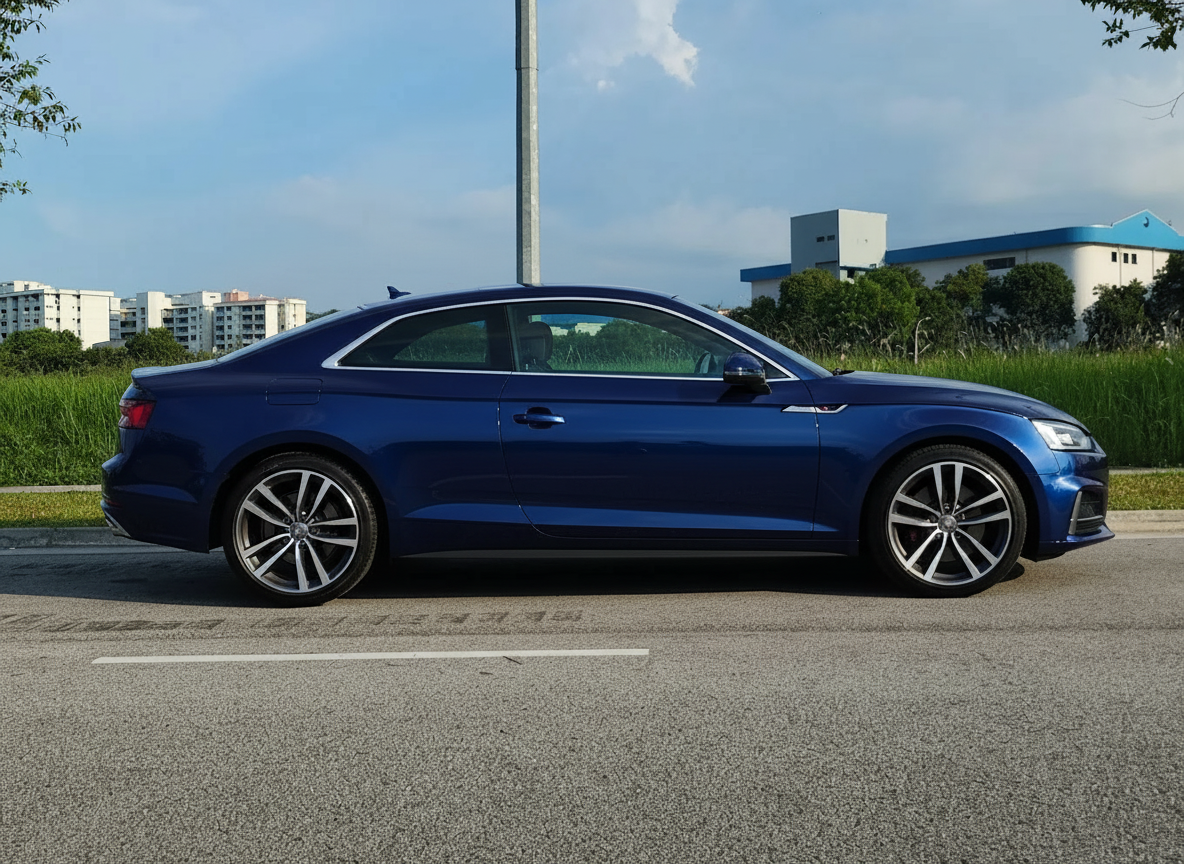
Glossy surfaces show every micro-scratch, every fingerprint, every swirl mark from a careless wipe. Satin finishes are more forgiving. The slight texture diffuses light, so small imperfections do not catch your eye. If you park outdoors regularly, if you drive through rain and dust, if you do not have time to hand-wash your car every weekend, a satin finish wrap will look cleaner for longer.
That said, no wrap is indestructible. The adhesive quality and the film thickness matter. Brands like 3M and Oracal offer vinyl wraps that hold up well under tropical conditions, but the laminate you choose is just as important. A good laminate protects against UV fading and minor abrasions. On a satin finish wrap, the laminate is usually a satin or matte-grade clear coat that seals the printed or colored film underneath. Skimping on the laminate to save a few dollars is a mistake I have seen more than once. It leads to premature dulling and peeling, especially along edges and in high-heat areas.
How It Compares to Car Paint
Car paint has its own appeal. A factory-grade paint job, properly maintained, can last a decade or more. But paint is permanent, expensive, and time-consuming to change. A premium wrap, by contrast, is reversible. You can update the look every few years without affecting the original paint underneath. That flexibility is a big part of why auto customization has grown so fast.
But the finish of a wrap is not identical to paint. A satin finish wrap does not have the same depth as a multi-layer paint system with clear coat and wet-sand polishing. What it offers instead is consistency. A wrap's color and texture are uniform across every panel, because the film is manufactured to tight tolerances. With paint, even a skilled painter can have slight variation between panels on different days. For a custom wrap where you want a specific look across the whole car, that consistency is valuable.
Another thing I have noticed: satin finish wraps tend to photograph well. Because they do not produce harsh reflections, the camera picks up the color and the design details more clearly. If you plan to share photos of your car online, or if you just want it to look good in the driveway at different times of day, a satin finish wrap is a smart choice.
Choosing Between Glossy, Matte, and Satin
If you are standing in front of a sample board at a car wrap studio, the differences can look small under indoor lights. But they become obvious once the car is outside. Here is a quick breakdown based on what I have seen work well for different owners:
- Glossy wrap: Best for show cars and weekend drivers. It looks stunning in perfect light but requires frequent washing and careful drying to avoid water spots and micro-scratches.
- Matte wrap: Great for a flat, modern look. It hides dust well but can look dull in low light. Some matte films are harder to maintain because they show oil stains from fingerprints more than satin does.
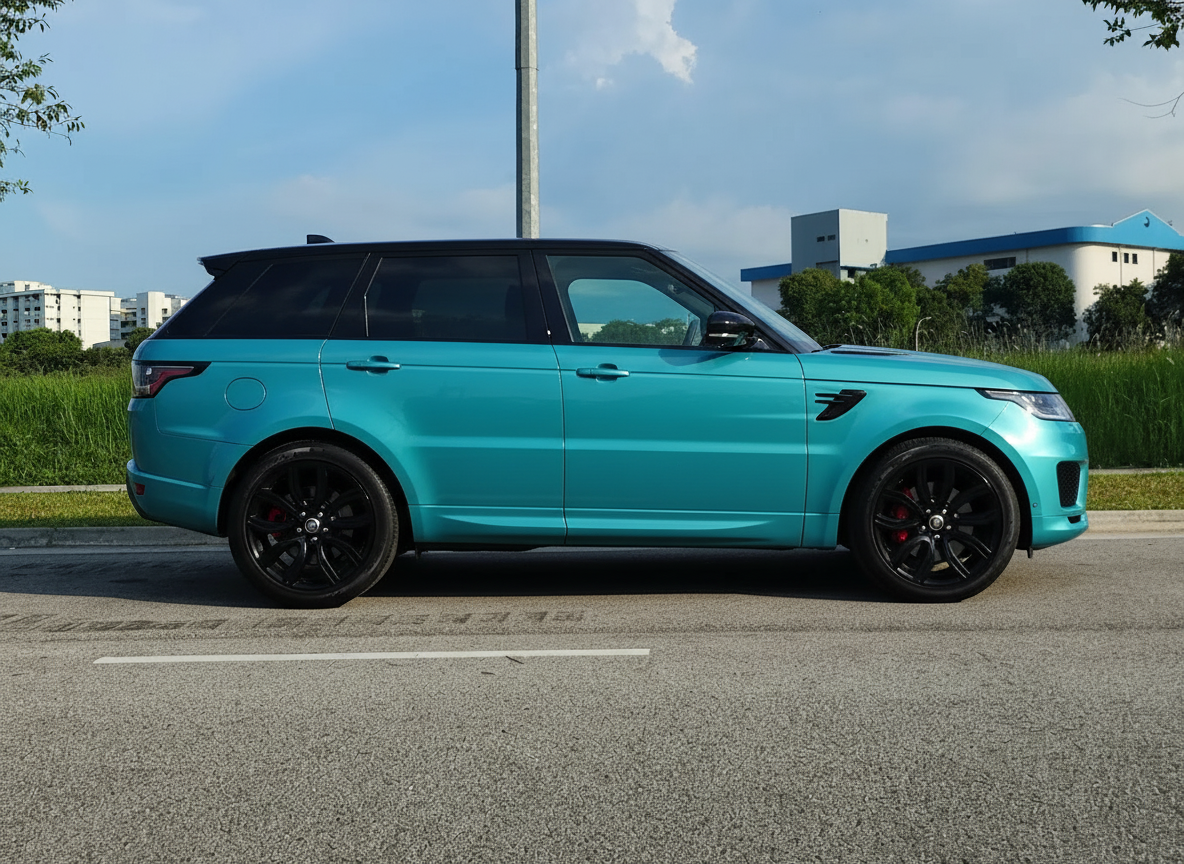
- Satin finish wrap: A middle ground. It has enough sheen to give depth to colors, especially metallic finishes and pearlescent shades, without the high maintenance of gloss. It also works well with textured designs and subtle color shifts.
I have also seen owners combine finishes on the same car, using a satin finish wrap for the main body and a gloss laminate for accent stripes or roof panels. That kind of contrast can look striking when done cleanly, but it requires an experienced installer. The transition between different laminates must be seamless, or the edges will catch dirt and lift over time.
What to Look for in a Wrap Installation
The quality of the installation matters more than the brand of vinyl. I have seen cheap vinyl applied poorly that failed within months, and I have seen mid-range films applied by a skilled installer last for years. When you visit a car wrap studio, pay attention to a few things. Ask about the brand of vinyl and laminate they use. 3M and Oracal are reliable names, but there are other good films too. The key is that the installer knows how the specific material behaves under heat, in corners, and around edges.
Also ask about the preview process. A good studio will let you see a digital preview of the wrap on your own car before you commit. This is not a luxury, it is a necessity. Colors look different on screen versus in natural light, but a preview at least lets you adjust the design before any vinyl is cut. And when you are ready, get a free quote from the studio. Most premium wrap shops in Singapore offer this. It gives you a clear idea of the cost before you decide.
Maintaining a Satin Finish Wrap
Car care for a satin finish wrap is straightforward. Hand washing with a mild soap and a soft microfiber cloth is best. Avoid automated car washes with brushes, they can scratch the laminate. Also avoid waxes and polishes that contain abrasives. Most wrap manufacturers recommend a simple wash and dry routine. If you want extra protection, some studios offer a ceramic coating designed for vinyl wraps, but that is optional.
One practical tip I picked up from an installer: if you live in a area with heavy bird activity or tree sap, rinse the wrap as soon as possible. Those substances can etch into the laminate if left in direct sun for hours. A satin finish wrap is more forgiving than gloss in this regard, but it is not immune.
Final Thoughts on the Satin Finish Wrap
After watching the auto customization scene in Singapore evolve over the last few years, I have come to appreciate the satin finish wrap as a genuinely practical choice. It is not the flashiest option. It does not have the mirror-like pop of a high-gloss finish. But it offers something more valuable for a daily driver: a great look that stays good longer with less effort. If you are considering a vehicle wrap and you want a finish that balances aesthetics with real-world durability, a satin finish wrap is worth a serious look.